Estimate vs invoice: what changes and when
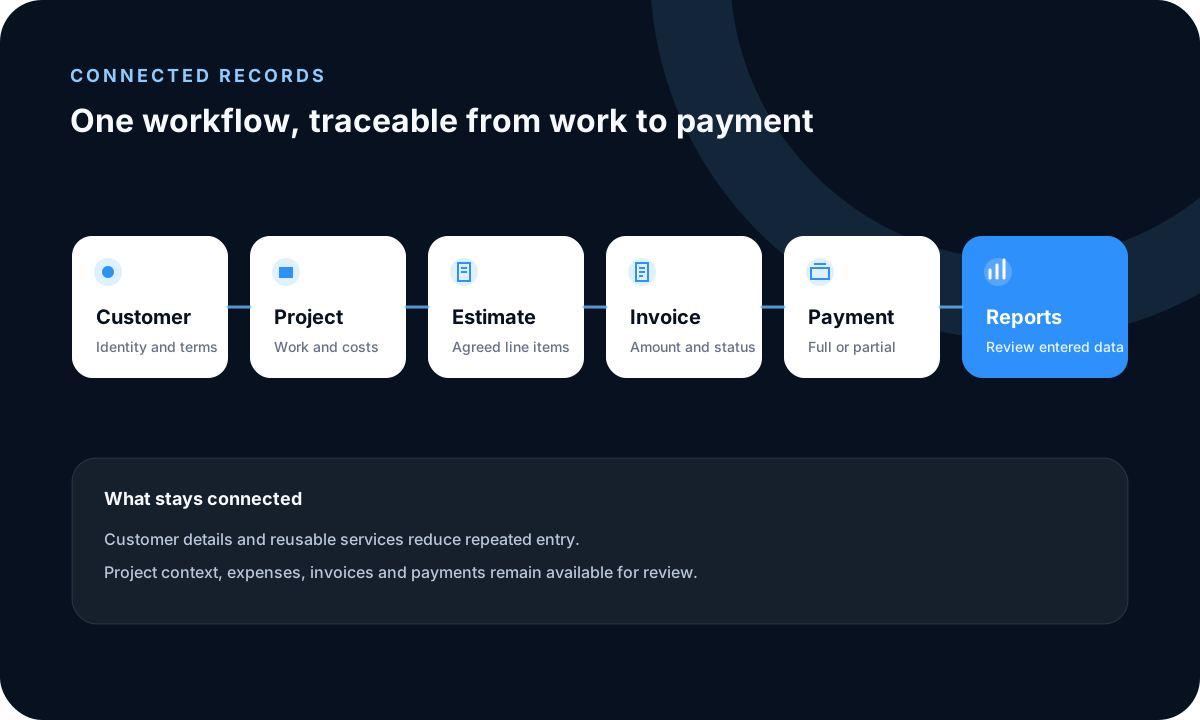
An estimate explains proposed work and price; an invoice requests payment. Connected data reduces copying, but each document still needs a separate review.
Purpose and timing
An estimate supports a proposal before final billing. An invoice follows an agreement, delivery milestone or other billable event and may trigger tax, accounting or retention obligations.
Shared information
Both documents can use the same company, customer, item, service, quantity, price, discount, tax, currency and notes. Shared data improves consistency without making the documents legally interchangeable.
Conversion review
Confirm accepted scope, preserve relevant line items, then check invoice-specific numbering, issue and due dates, final quantities, tax wording and payment instructions.
Record trail
Retain the estimate and approval evidence so the invoice origin can be understood. Follow the correction or credit process required for the business instead of obscuring an originally issued record.
Frequently asked questions
Is an estimate a request for payment?
Usually no. An estimate describes proposed work and price, while an invoice requests payment. Legal effects can vary.
Can an estimate be converted into an invoice?
Yes. Conversion preserves relevant customer and line-item context, but the resulting invoice still needs review.
Read practical guides, explore all features or create a free account.