Track task costs inside each project
Organize tasks and task groups, record delivery-cost context and use task and project reports to investigate how entered work affected the result.
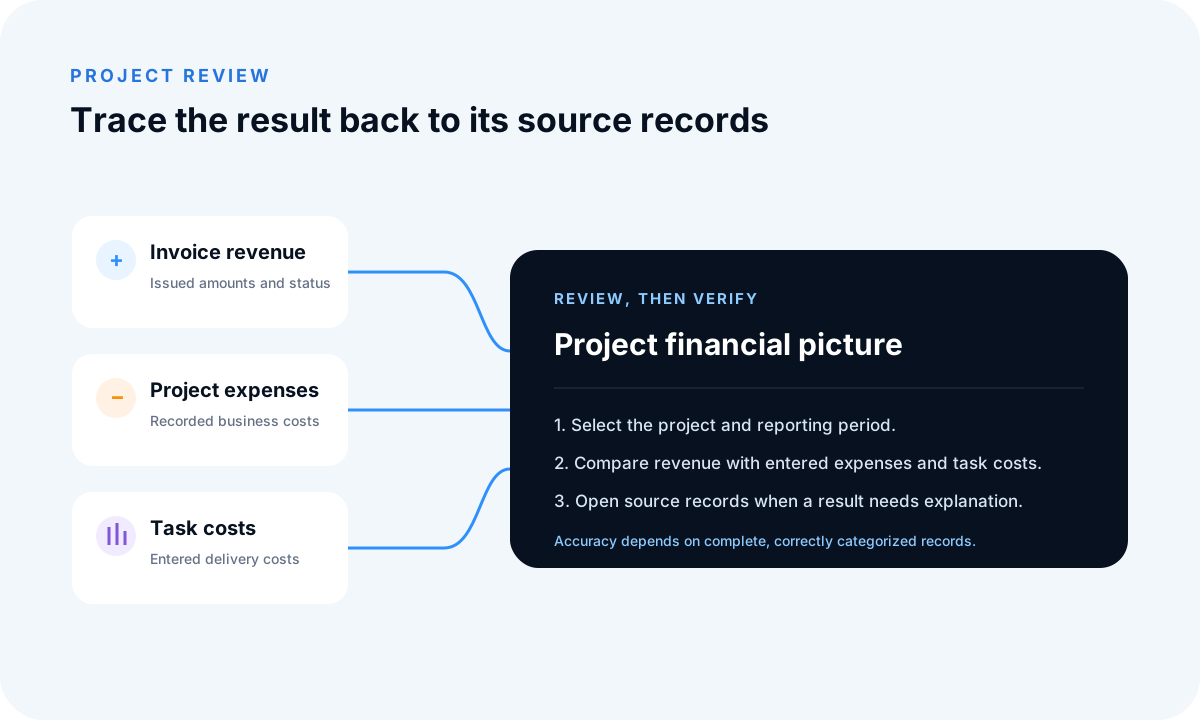
Attach cost context to delivery work
A task can explain which piece of work incurred an entered cost and which project it belongs to. Consistent task groups, assignments and cost definitions make later review easier without claiming that assignment alone measures cost or completion.
Separate entered cost from time tracking
Do not assume automatic time tracking. An entered task cost is an operational record and may omit payroll burden, owner time, overhead or external adjustments. Define what the field represents, apply the convention consistently and document material omissions.
Investigate through reports
Task reports and project profitability views can surface delivery records for an explicit project and period. When a figure looks wrong, inspect the task, project link, date and cost definition before changing a summary. Exports remain snapshots of selected records and filters.
Example and limitations
A team can divide work into design, implementation and review task groups, record supported delivery costs on relevant tasks and keep external purchases as project expenses. The combined view remains only as complete as the maintained source records.
Frequently asked questions
Can FollowIncome track costs by task?
Tasks can carry operational cost context and remain connected to their project for task and profitability review.
Does it automatically track employee time?
Do not assume automatic time tracking. Cost completeness depends on the records and workflows maintained by the team.
Are task costs the same as project expenses?
Not necessarily. Task costs describe entered delivery activity, while expenses describe spending records; both may matter to a project review.
Read practical guides, explore all features or create a free account.