Receivables
An overdue invoice follow-up workflow without guesswork
Use verified balances, dated actions and proportionate human communication when payment is late.
By FollowIncome · · 7 min read · Reviewed by FollowIncome editorial team
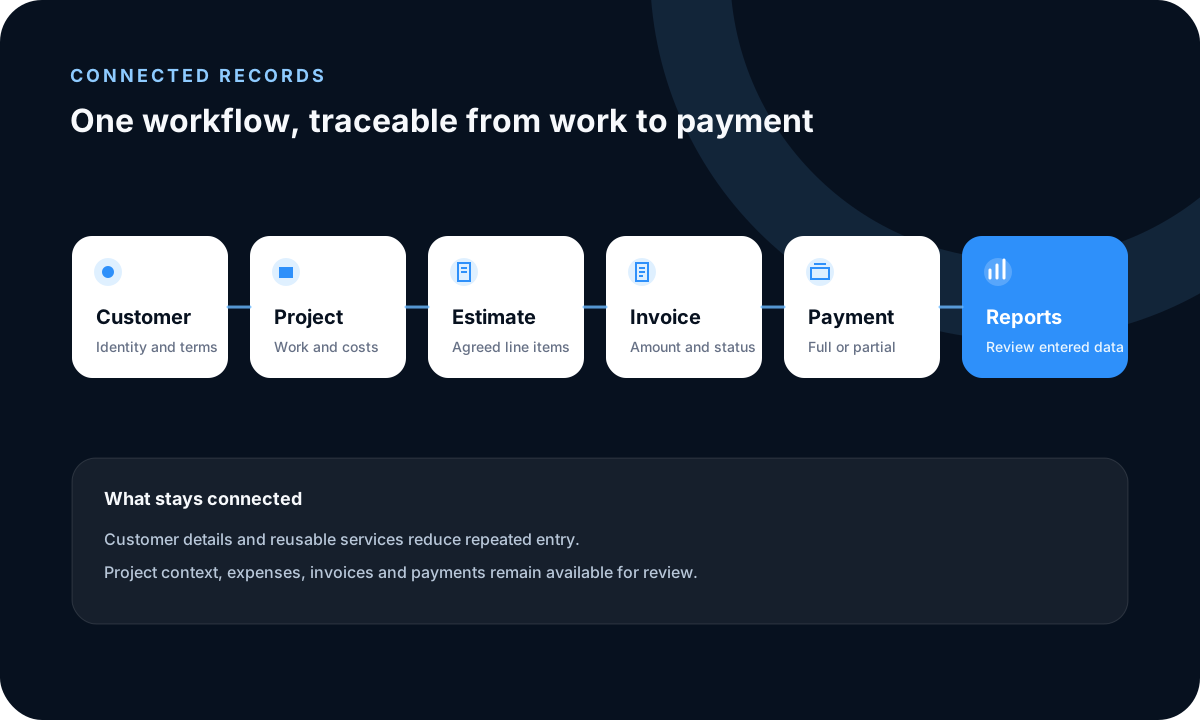
Late-payment handling should begin with records, not emotion. Before contacting a customer, verify that the invoice was validly issued, reached the right person and still has the balance you intend to discuss.
Confirm the debt, understand the context, schedule proportionate follow-up and keep every external message under human review.
Verify the invoice before escalating
Check the customer, invoice number, issue date, due date, currency, total, credits, recorded payments and remaining balance. Confirm that the document was sent through the agreed channel.
Review the contract, purchase order and delivery status for conditions that could affect payment. Do not send a strong demand while a known dispute or missing approval is unresolved.
Classify the reason using evidence
A late invoice may be overlooked, blocked by procurement, disputed, incorrectly addressed or waiting for the customer’s own cash cycle. Record only what the customer or source evidence supports.
The category should guide the next action. A missing purchase order needs correction; a confirmed payment date needs monitoring; silence may justify a firmer follow-up.
Use a dated escalation ladder
Create a sequence appropriate to the agreement and jurisdiction: a courteous reminder, a direct request for status, a final internal review and—when justified—professional advice or formal action.
Each step should have an owner, date and record of the message sent. Automated reminders can prepare work, but a person should review the balance, tone and recipient before transmission.
- Initial reminder with invoice details
- Request for a specific payment status or blocker
- Internal review of service and account restrictions
- Qualified advice before formal recovery action
Record partial and promised payments carefully
Apply confirmed partial payments to the invoice and leave the remaining balance visible. Record a promised date as a customer commitment, not as cash received.
If provider or bank confirmation matters, retain that evidence separately. An entered payment status should not be described as reconciled without independent support.
Learn without punishing every customer
After resolution, review whether payment terms, invoice routing, deposits or milestone billing should change. Apply improvements based on repeated evidence rather than one frustrating event.
Legal rights, late fees and collection procedures vary. Obtain appropriate professional advice before taking formal or high-impact action.
Keep this checklist
- The outstanding balance is verified
- Known disputes and approval blockers were reviewed
- Every follow-up has a date and owner
- External messages receive human review
- Formal escalation considers applicable rules
Why FollowIncome publishes this
FollowIncome publishes practical operating guidance for solo founders and small teams. This article is grounded in traceable records, explicit assumptions and the documented product workflows linked below.
This article provides general operational information, not accounting, tax, legal or financial advice.