Financial operations
How to prepare business records for an accountant
Organize source documents, transaction context and open questions so professional review starts with evidence.
By FollowIncome · · 7 min read · Reviewed by FollowIncome editorial team
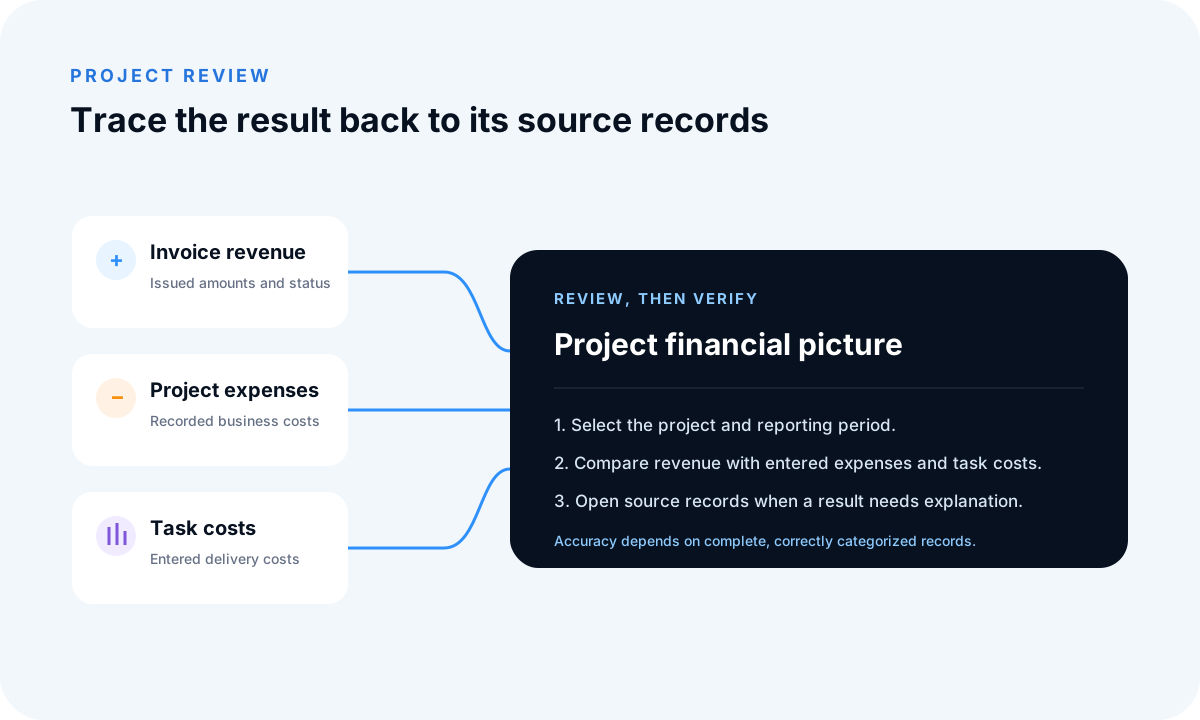
An accountant can give better guidance when operational records arrive with clear dates, ownership and supporting evidence. Preparation does not mean deciding the accounting treatment yourself; it means making the facts easier to verify.
Provide complete source records, separate companies and periods, reconcile obvious gaps, and list uncertain items instead of hiding them inside a category.
Confirm the company, period and request
Start with the legal entity, reporting period, currencies and the purpose of the handoff. Annual accounts, a tax return, management reporting and advice on one transaction require different context.
Ask the accountant which formats, account statements and supporting documents they need. Their instructions take precedence over a generic checklist.
Organize sales and customer payments
Provide issued invoices, credits, cancellations and the payment records connected to them. Keep invoice dates, due dates and actual payment dates distinct.
Flag partial payments, refunds, disputed balances and amounts collected through providers. Include provider statements when fees or settlement timing affect the records.
Prepare expenses with source evidence
For each material expense, retain the supplier, date, amount, currency, category, business purpose and receipt or invoice when available. Keep reimbursements and personal transactions visible for review.
Do not force an uncertain purchase into a convenient tax category. Place it on the question list with the available facts and document.
- Supplier invoices and receipts
- Payment or provider statements
- Business purpose and project context
- Reimbursements and owner transactions
Separate operational reports from formal accounts
Operational sales, payment, expense and profitability reports can help explain activity, but their definitions may differ from statutory accounting or tax rules.
Export the records and describe the filters, revenue basis and known omissions. Do not present an internal profitability view as audited accounting profit.
Send a question list and preserve the trail
Summarize missing documents, unusual transactions, related-party items, foreign currency activity and decisions that need professional treatment. Link each question to its source evidence.
Keep a record of what was supplied and the answers received. Apply adjustments through a controlled process so later reports do not silently diverge from the reviewed position.
Keep this checklist
- Company and reporting period are explicit
- Invoices and payments are separated
- Expenses have available source evidence
- Uncertain items are listed as questions
- Operational reports disclose their basis and limits
Why FollowIncome publishes this
FollowIncome publishes practical operating guidance for solo founders and small teams. This article is grounded in traceable records, explicit assumptions and the documented product workflows linked below.
This article provides general operational information, not accounting, tax, legal or financial advice.