A practical freelance invoice workflow
Move from a confirmed client and scope to an accurate invoice, supported payment record and organized follow-up.
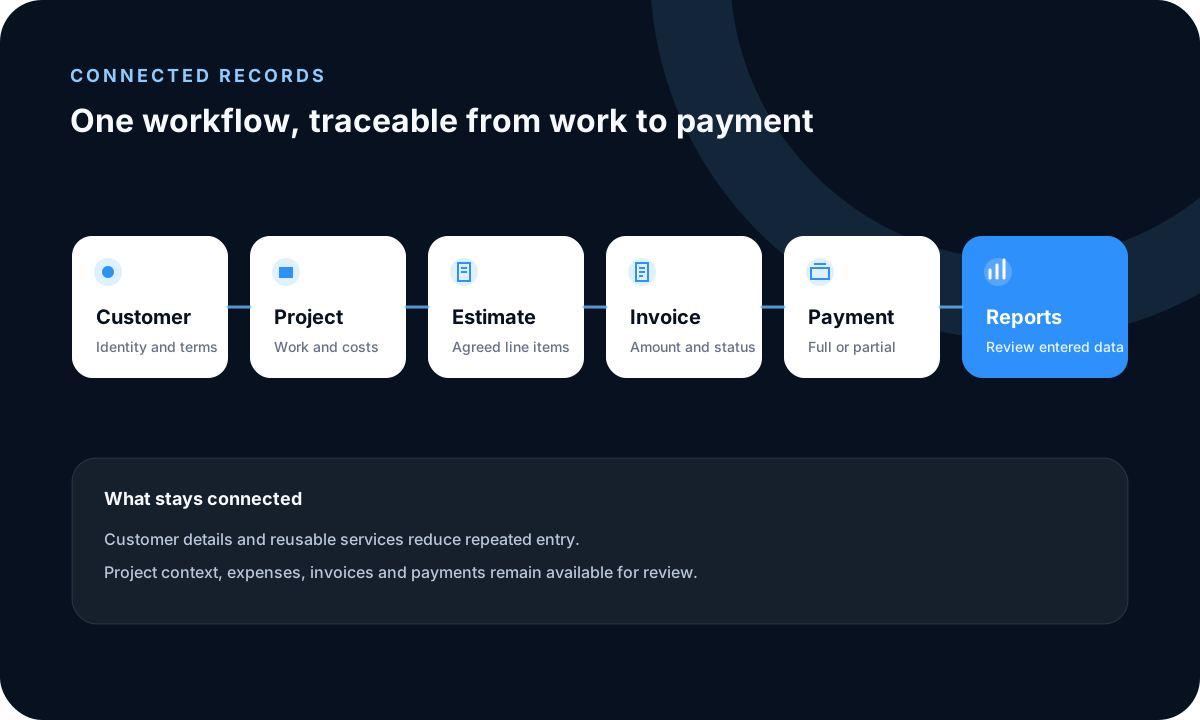
Confirm the parties and scope
Use the correct business and customer identity. Confirm the work, quantities or time basis, currency, price, payment terms and evidence of approval before preparing the payment request.
Build and review the invoice
Check the unique number, issue and due dates, line descriptions, quantities, prices, discounts, taxes, totals, notes and payment instructions. Local requirements vary and remain the responsibility of the issuing business.
Deliver through an appropriate channel
Send the document using the agreed channel and retain evidence of what was delivered. Avoid exposing customer or financial information through an unintended public link.
Record payment and follow up
Confirm funds through the bank, processor or other source before applying a full or partial payment. Keep overdue communication factual and preserve any revised payment arrangement.
Frequently asked questions
What should a freelance invoice include?
Common elements include seller and customer details, a unique number, dates, itemized work, currency, taxes where applicable, totals and payment instructions.
How should a partial payment be recorded?
Apply the supported amount to the relevant invoice, keep the outstanding balance visible and retain the provider or bank evidence.
Read practical guides, explore all features or create a free account.